
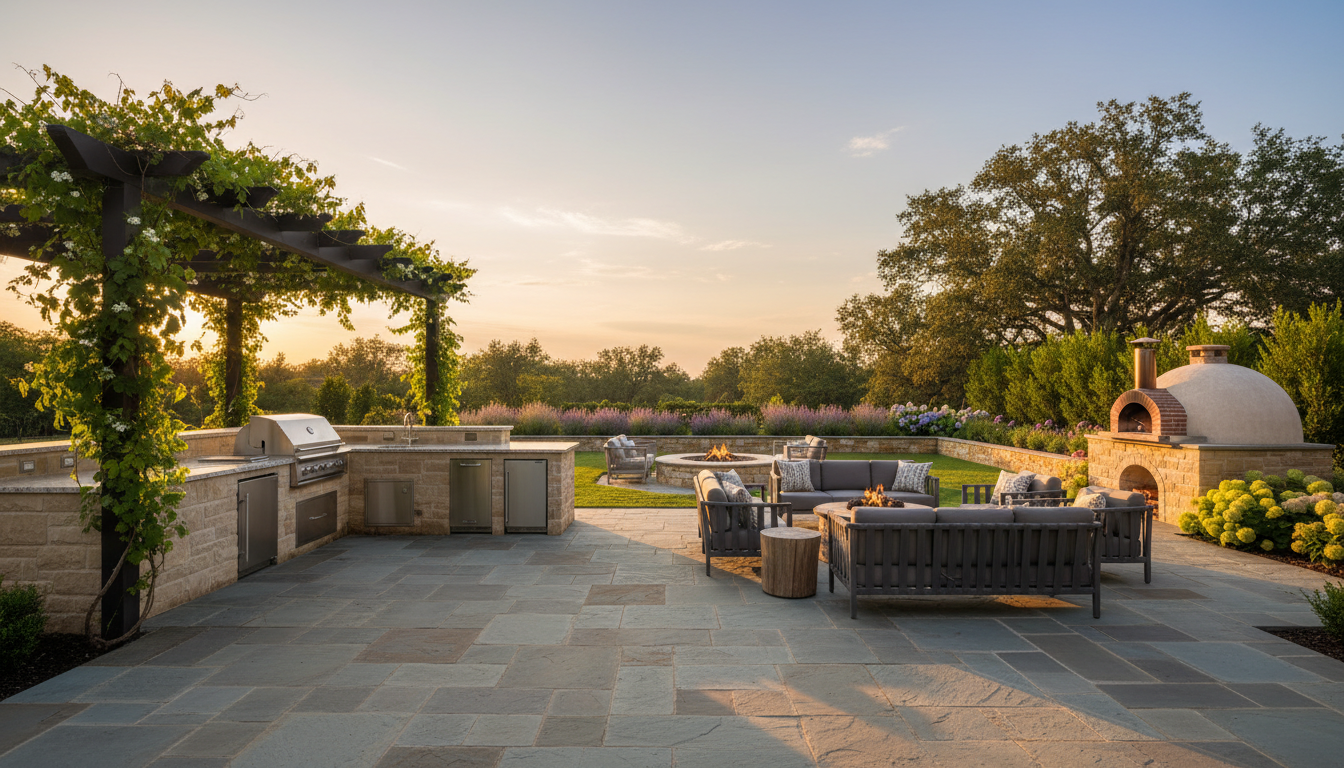
An outdoor kitchen Las Vegas cost typically ranges from $6,000 to $30,000 for standard builds, though luxury custom setups often exceed $50,000. Final pricing depends on material choices and the necessity of permits for gas or electrical lines; however, these additions offer a high return on investment in the Nevada real estate market.
Designing a high-end outdoor kitchen in Las Vegas requires more than just a grill and a stone veneer; it demands a strategic balance between luxury and the harsh realities of the Mojave Desert. Many homeowners feel overwhelmed by fluctuating material prices and the complex permit requirements of Clark County. Understanding the true cost is vital to ensure your investment adds value to your lifestyle and your property appraisal. In this guide, we provide a transparent breakdown of the average outdoor kitchen Las Vegas cost for 2026. We will explore durable materials that withstand extreme heat, navigate the local permitting landscape, and analyze the long-term ROI of these entertainment hubs. From small modular setups to expansive custom builds, you will gain the expert insight needed to plan a project that thrives under the Nevada sun.
Understanding the Investment: Average Outdoor Kitchen Las Vegas Cost in 2026
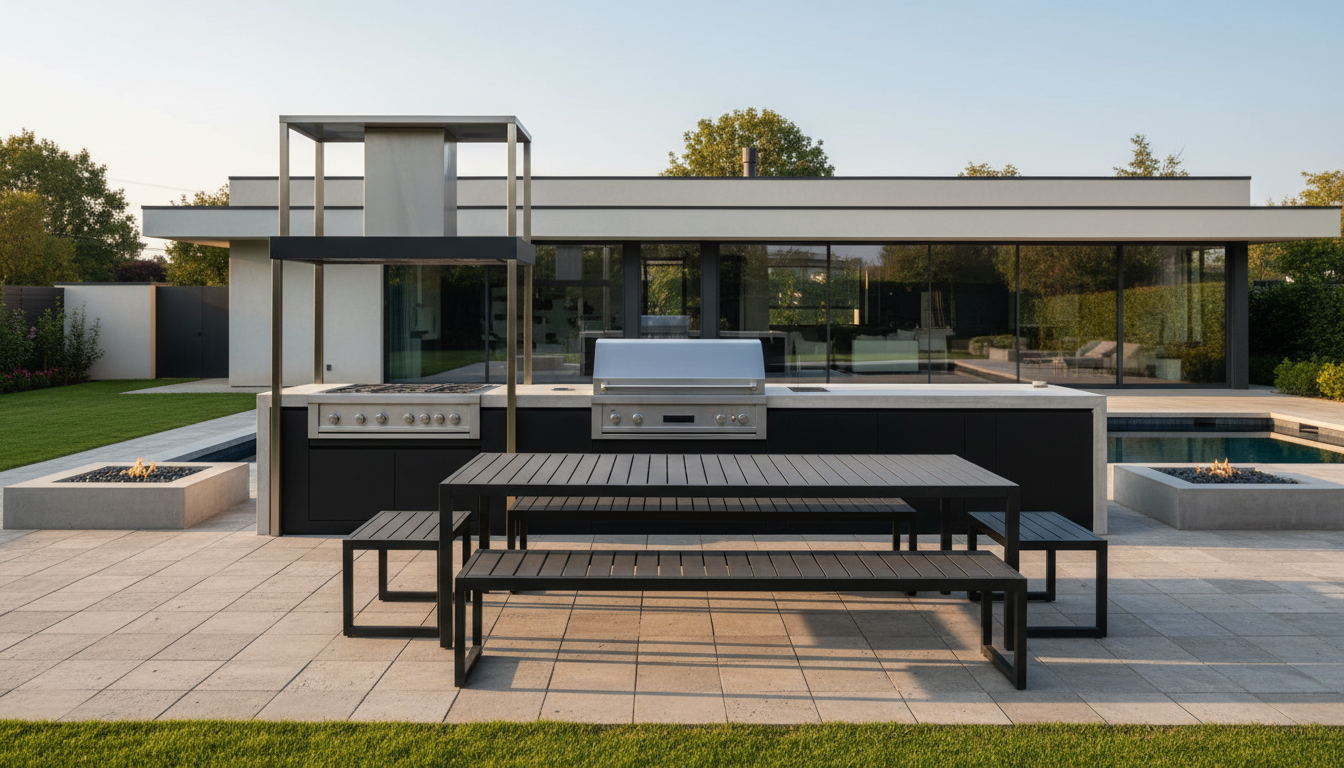
Building a high-performance culinary space in the Mojave Desert requires a strategic approach to both budget and environmental engineering. In the local market, an outdoor kitchen Las Vegas cost calculation is determined by two primary factors: the complexity of utility integration and the durability of the finishes. Because our climate subjects horizontal surfaces to temperatures exceeding 150 degrees Fahrenheit, the investment reflects the specialized materials and skilled trades required to ensure the structure survives the heat.
To help homeowners plan effectively, we categorize projects into three distinct investment tiers based on current 2026 market data for the Clark County area:
Project Tier | Price Range | Primary Features |
|---|---|---|
Tier 1: Basic BBQ Island | $8,000 – $18,000 | Built-in 30-inch grill, side burner, stucco finish, and a dedicated 20A electrical circuit. |
Tier 2: Mid-Range Kitchen | $22,000 – $55,000 | 36-inch grill, outdoor refrigerator, sink with plumbing, bar seating, and weatherproof LED lighting. |
Tier 3: Luxury Custom Build | $55,000 – $140,000+ | Wood-fired pizza oven, teppanyaki grill, misting systems, integrated pergolas, and custom masonry. |
A significant portion of these estimates reflects the specialized labor required in Southern Nevada; professional labor typically accounts for 40 to 50 percent of the total project cost. This includes the technical work of trenching gas, water, and drainage lines through the valley's often difficult caliche soil. Proper installation is critical for safety and longevity, making it essential to verify a Nevada contractor license before beginning any project involving gas or electrical tie-ins.
While these figures represent a substantial commitment, it is helpful to compare them to the Kitchen Remodel Cost in Las Vegas for interior spaces. Often, an outdoor build provides a similar level of utility and entertainment value at a competitive price point per square foot, especially when considering the extended outdoor living season we enjoy in the valley.
Material Matters: Choosing Surfaces That Survive a Las Vegas Summer

Selecting materials for a Mojave Desert environment requires prioritizing thermal stability and UV resistance over pure aesthetics. A common mistake in the valley is attempting to mirror interior design by using engineered quartz, such as Caesarstone or Silestone, for outdoor counters. While these look stunning indoors, the resins used to bind the quartz particles are not UV-stable. Under the relentless Las Vegas sun, where horizontal surfaces can easily reach 150 to 160 degrees Fahrenheit, these resins yellow, crack, and eventually delaminate. Most manufacturers specifically void warranties for outdoor applications for this reason.
For a countertop that withstands the heat, we recommend ultracompact surfaces like Dekton or high-density natural granite. Dekton is manufactured under extreme pressure and heat, making it virtually indestructible in direct sunlight and resistant to thermal shock. If you prefer natural stone, select a dense, high-quality granite. While natural stone requires periodic sealing, it will not chemically break down like engineered products.
Material | UV Resistance | Heat Tolerance | Maintenance Level |
|---|---|---|---|
Dekton / Porcelain | Excellent | High (150°F+) | Very Low |
High-Density Granite | Good | High (150°F+) | Moderate (Requires Sealing) |
Engineered Quartz | Poor (Yellows) | Low (Resin Fails) | Not Recommended |
304 Stainless Steel | Excellent | High | Low (Regular Cleaning) |
The structural integrity of your cabinetry is equally vital. We advise the use of 304-grade stainless steel rather than the more affordable 430-grade. In Las Vegas, 430-grade stainless steel often contains higher levels of iron and lower amounts of chromium and nickel, making it highly susceptible to "tea staining" or surface rust. This is particularly problematic in yards with high-alkalinity irrigation overspray or proximity to salt-system pools. 304-grade steel provides the necessary corrosion resistance to maintain a clean finish for decades.
If the industrial look of stainless steel does not align with your home’s aesthetic, powder-coated aluminum is a durable alternative. Unlike painted steel, which can flake and bubble under extreme heat, powder-coated aluminum offers a baked-on finish that resists fading and moisture. When these high-performance materials are integrated into your project, they naturally influence the total outdoor kitchen Las Vegas cost, but they prevent the need for expensive surface replacements five years down the road. This long-term durability is a key component when evaluating the Las Vegas Home Improvement ROI for your backyard renovation.
Permits and Codes for Clark County and Henderson Homeowners
While high-performance surfaces ensure your investment survives the sun, adhering to local building codes ensures the project survives a home inspection or an insurance claim. In the Las Vegas valley, the distinction between a portable appliance and a permanent structure is a matter of legal record. If you are simply rolling a propane grill onto your patio, no paperwork is required. However, once you transition to a built-in BBQ island featuring a natural gas line, Clark County and the City of Henderson require a specific gas permit. These typically range from $75 to $150 and ensure the line is pressurized and buried at the correct depth to account for local soil conditions.
Requirement Type | Permit Threshold | Local Regulation Note |
|---|---|---|
Natural Gas | Any permanent line tie-in | Pressure test required by inspector |
Electrical | GFCI outlets and lighting | Must meet NEC outdoor standards |
Structural | Over 120 sq. ft. | Requires engineered drawings |
Home Attachment | Any physical connection to house | Mandatory structural review |
Electrical integration follows similarly strict guidelines. Any outdoor kitchen must utilize GFCI (Ground Fault Circuit Interrupter) outlets to prevent hazards in wet environments or near sinks. Furthermore, if your design includes an overhead shade structure exceeding 120 square feet, or if the island is physically attached to the primary residence, a structural permit is mandatory.
You should always verify a Nevada contractor license before allowing a builder to begin trenching for utilities. A licensed professional handles the permitting process on your behalf, which is vital for protecting your property value. Unpermitted work is frequently flagged during the resale process, potentially stalling a closing if the appraiser finds discrepancies in functional square footage or utility maps. Properly documented permits are a non-negotiable component of maximizing your Las Vegas Home Improvement ROI and ensuring the safety of your outdoor entertainment space.
The ROI of an Outdoor Living Space in the Mojave
Homeowners frequently ask if the initial outdoor kitchen Las Vegas cost is worth the investment long term. In the unique real estate market of the Mojave, the answer is usually a resounding yes. Unlike regions with harsh winters that limit patio usage, Southern Nevada allows for nearly 365 days of outdoor utility. This year-round climate enables these projects to recoup between 60 percent and 80 percent of their value at resale; they often outperform interior luxury upgrades in terms of market appeal.
Investing in a professional culinary station increases the functional square footage of your property without the exorbitant expense of a traditional room addition. While a standard home extension requires complex HVAC integration, foundation extensions, and structural wall modifications, an outdoor build expands your living area for a significantly lower price per square foot.
Investment Type | Typical ROI in Las Vegas | Primary Value Driver |
|---|---|---|
Outdoor Kitchen | 60% to 80% | Year-round climate utility |
Interior Kitchen Remodel | 50% to 65% | Modernized aesthetics |
Room Addition | 45% to 60% | Increased total square footage |
This value retention is a central theme in our Las Vegas Home Improvement ROI analysis. By creating a secondary zone for cooking and entertaining, you differentiate your home in competitive markets like Summerlin or Henderson. Beyond the equity, the immediate lifestyle benefit of moving high-heat cooking activities outside during the summer provides a practical utility that few other renovations can match.
Design Trends: Small Outdoor Kitchens vs Luxury Entertainment Hubs
Maximizing the utility of your backyard often depends on how you balance footprint with function. For homeowners in Summerlin or Henderson where lot sizes can be compact, the focus shifts toward a high-efficiency small outdoor kitchen cost profile. An L-shaped layout is the gold standard for these smaller footprints; it creates a natural work triangle and tucks neatly into existing patio corners, preserving precious yard space for lounging or a pool.
By contrast, luxury entertainment hubs in the valley are moving beyond the basic grill. High-end builds now frequently include teppanyaki griddles for social cooking, dedicated outdoor ice makers to handle the demand of a 110-degree July afternoon, and fully integrated sound systems. These features transform the space from a mere cooking station into a primary living area. Incorporating these amenities requires careful planning of utility runs, but they provide a level of hospitality that rivals top-tier local resorts.
Layout Type | Best For | Typical Features |
|---|---|---|
L-Shape | Corner placement, small yards | 30-inch grill, compact fridge, trash pull-out |
Galley | Narrow side yards, modern look | Dual-sided prep areas, long counter runs |
U-Shape | Large luxury hubs, social seating | Teppanyaki, bar seating, multiple appliances |
Regardless of the scale, environmental control is what makes these spaces usable during the peak of summer. We often integrate Alumawood covers or custom pergolas to provide essential shade. When combined with LED task lighting and misting systems, these structures extend the functional hours of your kitchen well into the evening. These design choices directly influence the Las Vegas Home Improvement ROI by ensuring the space is a practical asset rather than a decorative one that sits idle during the hottest months.
Timeline and What to Expect During Construction
Transforming a 3D rendering into a functional culinary space follows a structured sequence that varies based on project complexity. A basic BBQ island typically reaches completion within 2 to 3 weeks. Mid range projects generally require 4 to 8 weeks, while luxury builds involving custom masonry and extensive utility work can span 8 to 14 weeks. These timelines exclude current appliance and specialized stone lead times; sourcing high end grills or specific porcelain slabs can add 3 to 6 weeks to the procurement phase.
The construction process begins with utility trenching for gas, water, and electrical lines. This phase is often the most variable in the valley due to the presence of caliche, which may require specialized excavation equipment. Once utilities are stubbed out, our teams move to framing and masonry, followed by the precise templating of your selected countertops. The final stage involves the installation of your high performance appliances and the connection of all fixtures. Coordinating these phases through a team that understands how to verify a Nevada contractor license ensures that inspections occur on schedule and the build meets all local safety standards.
Investing in a Las Vegas outdoor kitchen requires balancing heat-resistant materials with proper permitting to ensure a strong return on investment. While the process involves many technical details, the result is a beautiful space that enhances your home for years to come. If you would like expert assistance in bringing your vision to life, we invite you to learn more about our team and our approach to local construction. Having a professional partner can help ensure every detail is handled correctly, allowing you to focus on enjoying your new desert oasis.


